

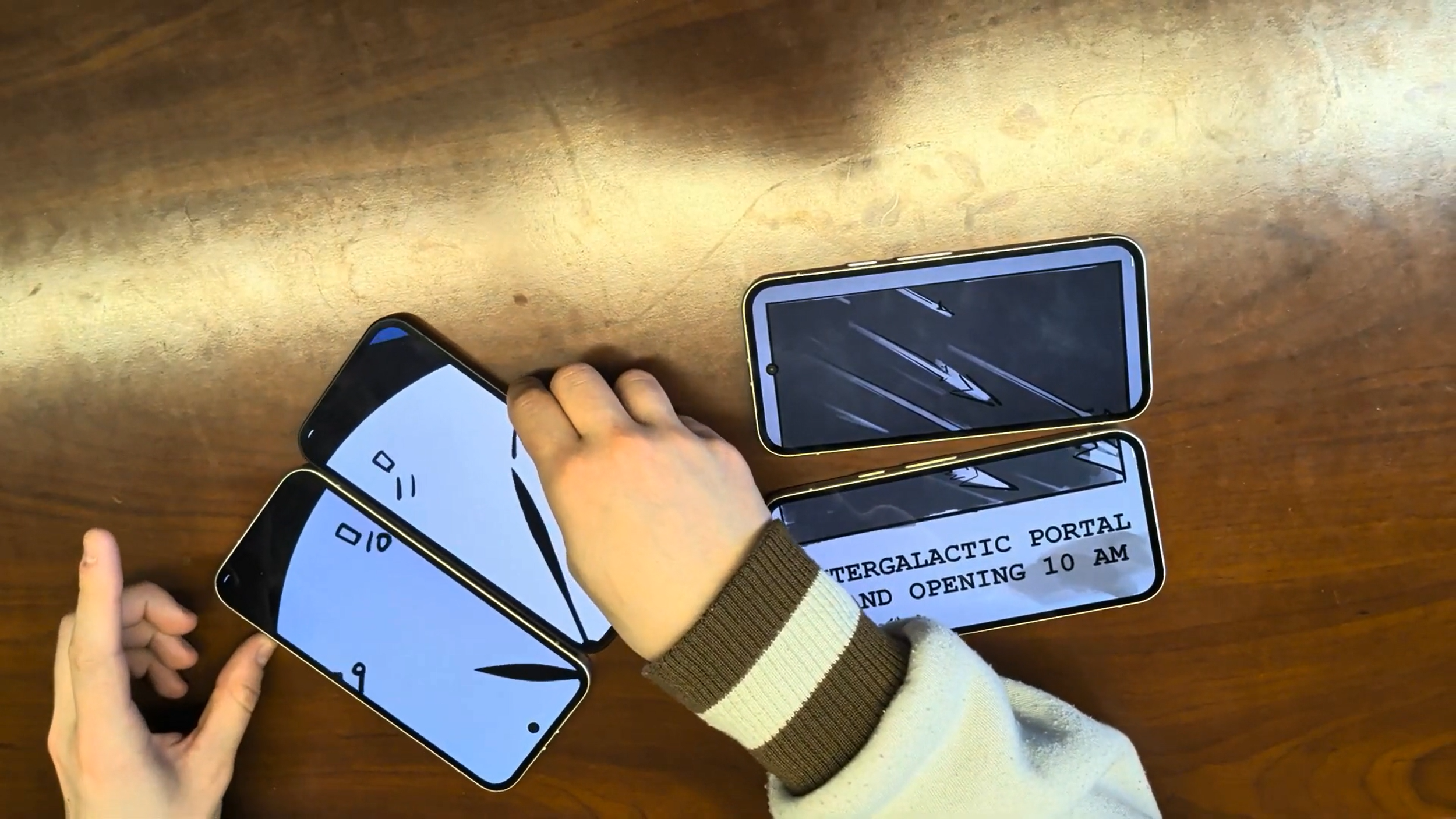
When Four Phones Tell a Story
Last spring at the Entertainment Technology Center, a team of graduate students spent their final semester asking: what happens when the phones in a room stop being separate windows and start working as one?
Big Picture Studio is a cooperative puzzle game played across as many as four networked phones. Instead of tapping through a single screen, players progress by physically connecting, rotating, and rearranging their devices, turning a tabletop of phones into a shared picture that shifts as they move.
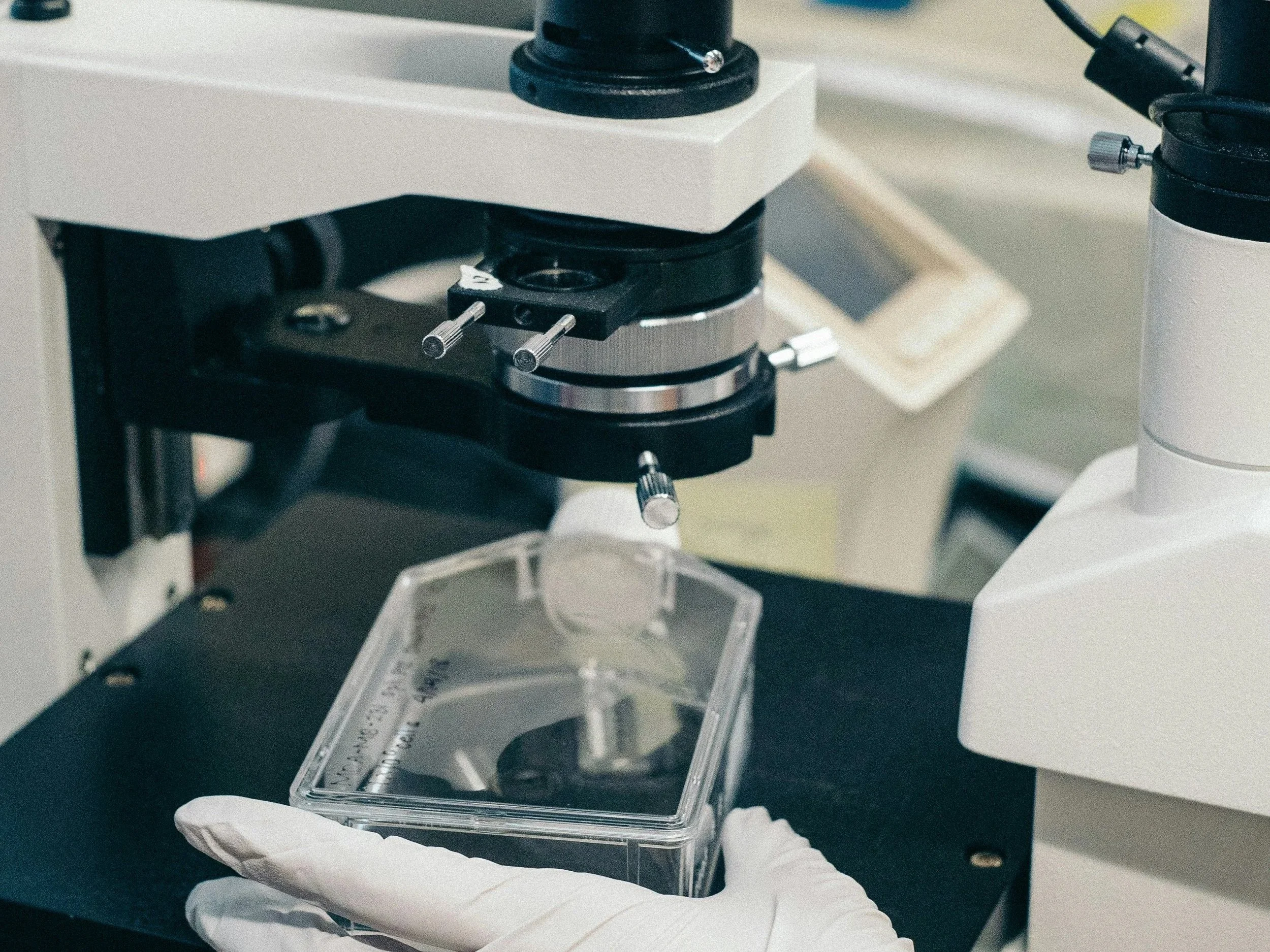
Hot Metal Campus Celebrates D’Amore Lab’s NIH Grant
Congratulations to the D’Amore Lab, led by Dr. Antonio D’Amore, which in July 2026 was awarded an NIH National Heart, Lung, and Blood Institute grant totaling nearly $800,000 for the project: Structural Biomimicry to Improve Engineered Heart Valve Leaflet Function and Remodeling. The D’Amore Lab, which is located at Bridgeside Point II on the Hot Metal Campus, will advance bioengineering approaches to treat pediatric heart valve diseases by exploring the use of tissue engineered heart valves (TEHVs), which mimic the structure and function of natural heart valve tissue, to restore heart valve function.
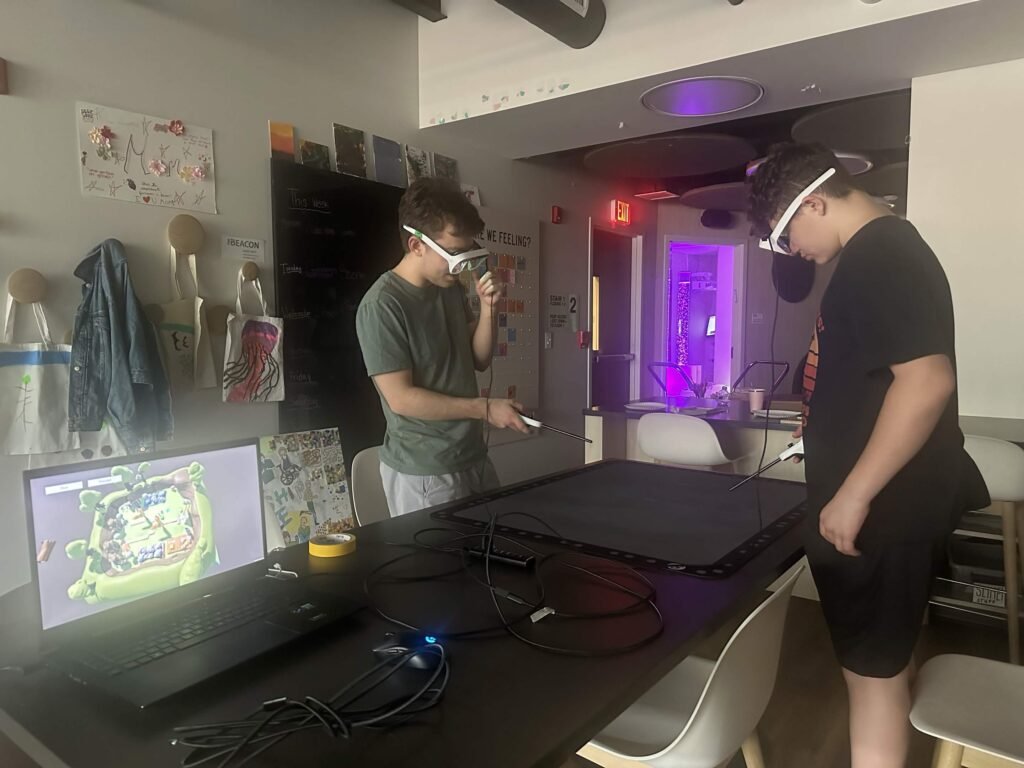
Students Collaborate to Code with It Takes 2 Alices
Two middle school students wearing augmented reality glasses and holding “magic wands” are standing around a table. While it looks like they are just playing a futuristic game, they are learning how to code. Looking through their AR glasses, in It Takes 2 Alices, created by a team of Carnegie Mellon University Entertainment Technology graduate students in Spring 2026, middle school students see a holographic animation and work together to solve puzzles, using the building blocks of coding.

Rehabilitation Researchers Awarded $4.6M Grant for Early Career Development Program
A team of rehabilitation scientists at the University of Pittsburgh and University of Delaware has been awarded a $4.6 million, five-year grant by the Eunice Kennedy Shriver National Institute of Child Health and Human Development National Center for Medical Rehabilitation Research.
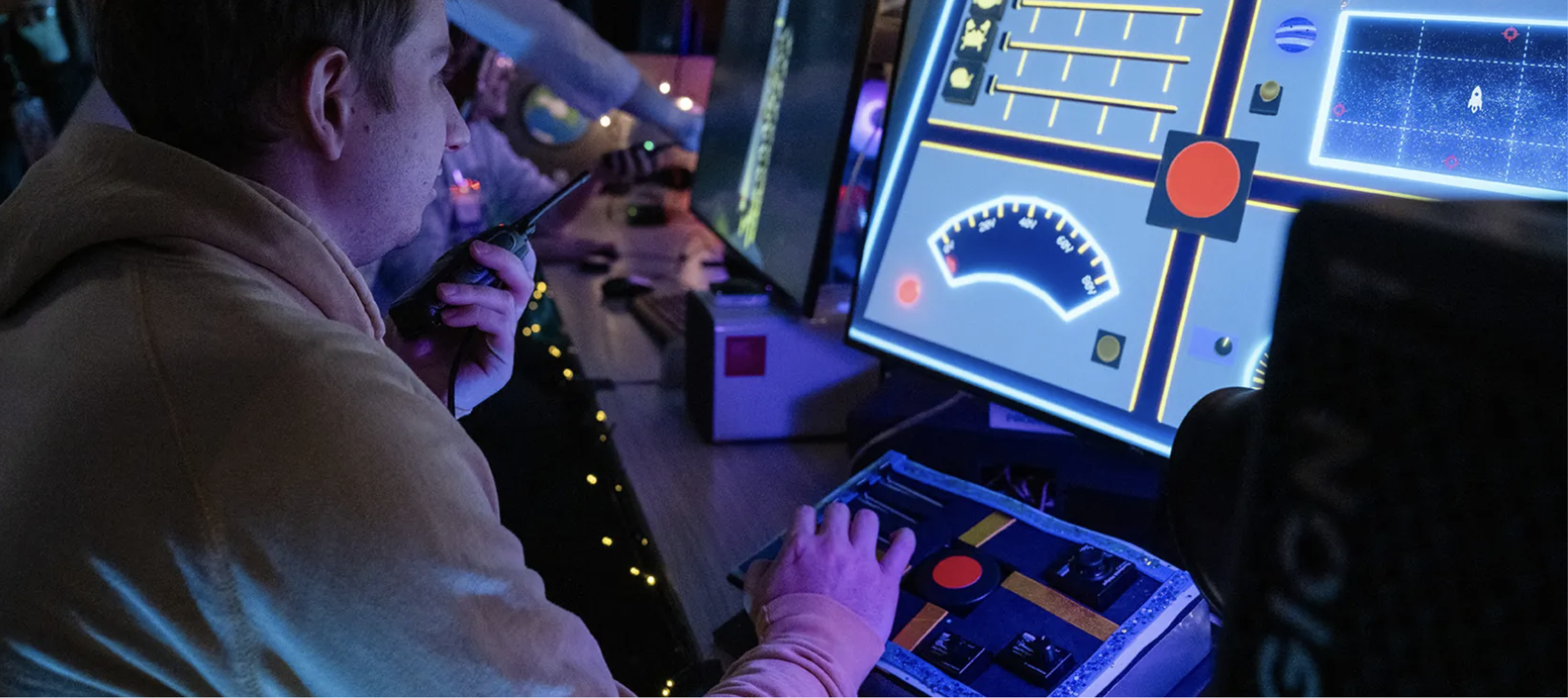
ETC Year in Reflection 2025-2026
This year’s edition of “ETC Year in Reflection” celebrates a milestone moment for the Entertainment Technology Center as they mark 25 years of learning, collaboration, and creative exploration.
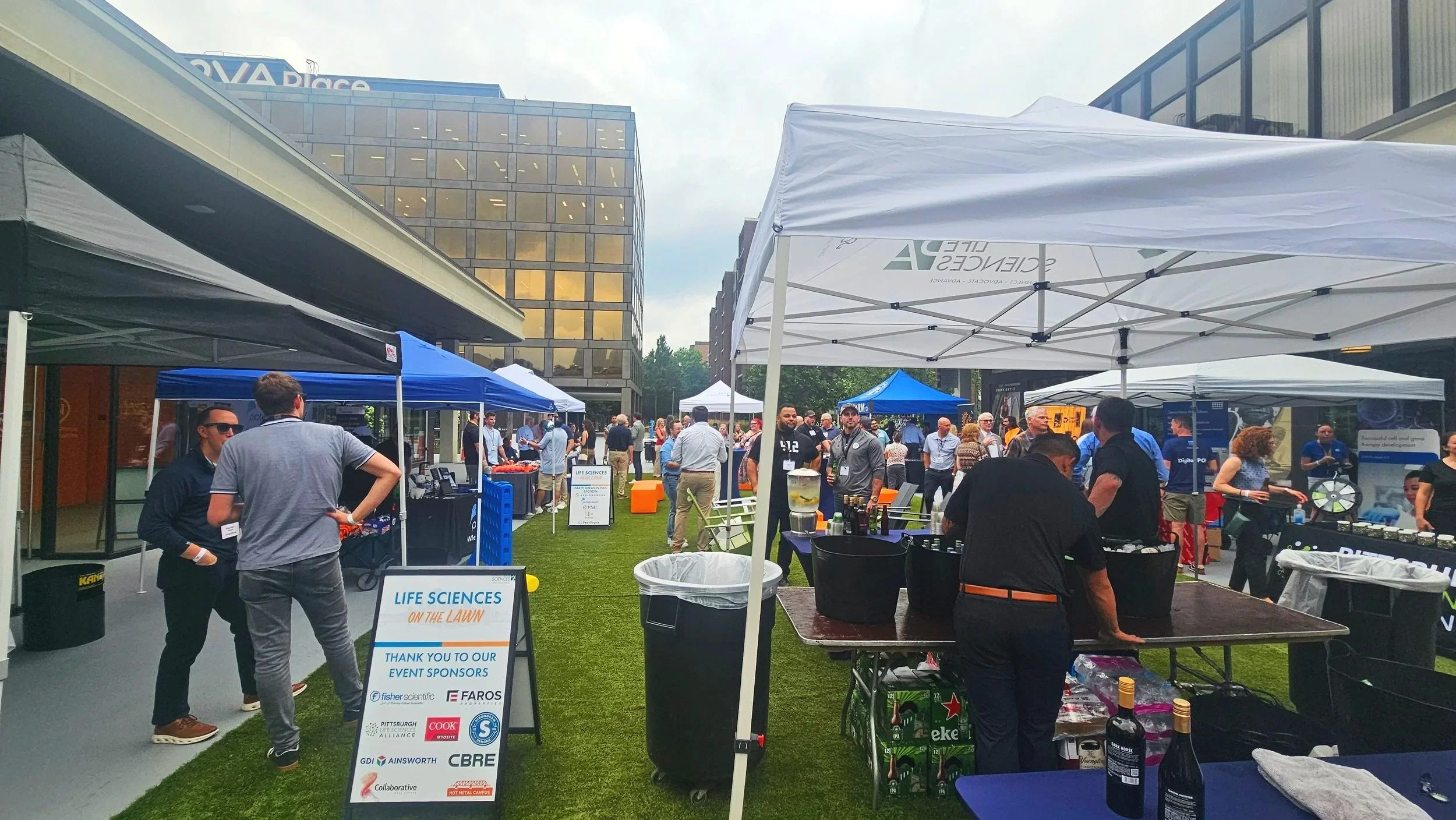
A Classic Summer Event with a Twist: Tailgate Brings the Life Sciences Community Together
Despite the grey skies over Pittsburgh on Wednesday, August 12, the rain held off for the community to enjoy the music, food, and fun at Life Sciences Pennsylvania’s signature summer event, Life Sciences on the Lawn. This marked the first time Life Sciences Pennsylvania brought the “tailgating’ idea to the southwest of the state. Energized by the fresh air, new connections, and new shared memories, the Life Sciences community is ready for all that comes next in their work.
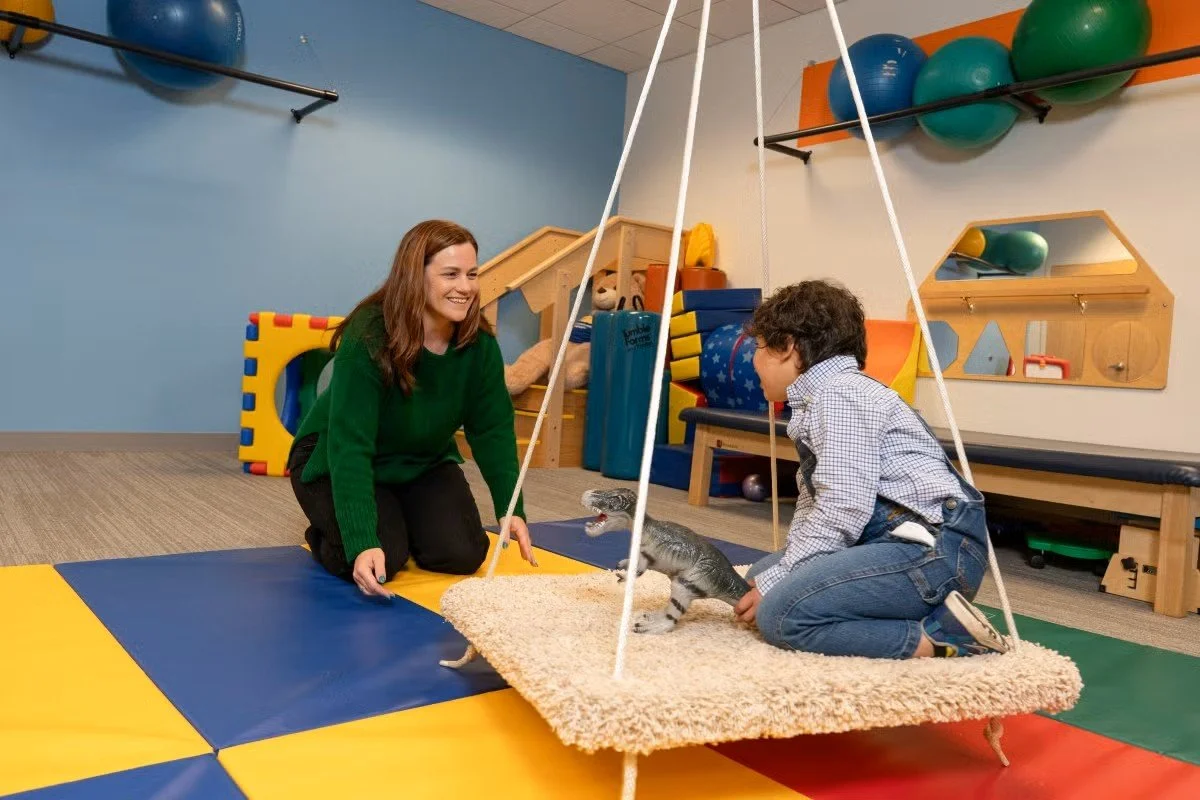
Shaping Tomorrow’s Leaders: Pitt OTD Students Step Into Leadership Roles
Pitt’s OTD students are seizing extraordinary opportunities and gaining real-world skills that will define the next generation of health care professionals.

Avista Therapeutics Expands Its AI Gene Therapy Platform
Avista Therapeutics has expanded its gene therapy platform to take on some of the field's hardest delivery problems. The company recently announced that it is scaling up its capsid design program with artificial intelligence and adding a new Innovation Platform, work it says targets long-standing barriers in AAV capsid engineering, large gene delivery and manufacturing.

Fully Immersive Virtual Reality for Chronic Pain: New Scoping Article Highlights Promise and Ideas for Future Work
Virtual reality brings to mind immersive environments, interactive games, and training simulation experiences. But rehabilitation researchers are also exploring how virtual reality can help people with chronic pain. To shed light on this new field, which was described as being in a “discovery phase,” a team of researchers from Tufts University, the University of Pittsburgh, and the U.S. Department of Veterans Affairs published a scoping review in Virtual Worlds in January 2026.

Primer on the Venture Capital Perspective: The Hot Metal Book Club Discusses Secrets of Sand Hill Road
From advice to practical takeaways, on July 21, 2026, the Hot Metal Book Club discussed Secrets of Sand Hill Road: Venture Capital and How to Get It by Scott Kupor. Based on Kupor’s first-hand experience working at a venture capital firm located on Sand Hill Road in Silicon Valley, this book highlights how venture capital funding works, who it is right for, and how venture capital firms decide to invest in startups.
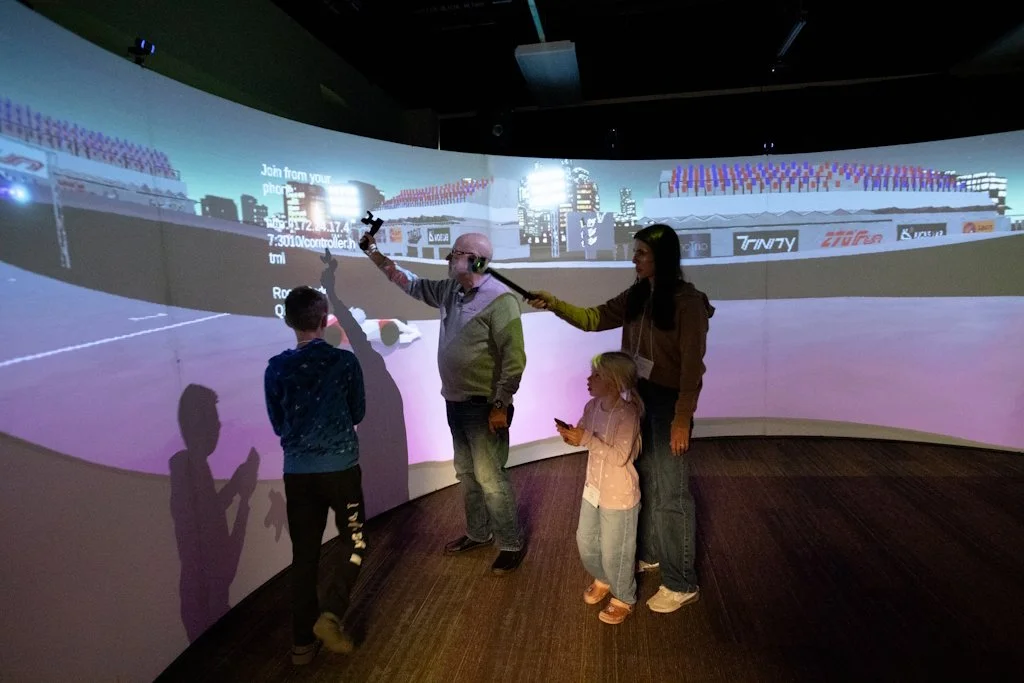
Watch: Carnegie Mellon’s ETC Celebrates 25 Years in New Video
To celebrate the 25th anniversary of CMU’s Entertainment Technology Center, a new video was released featuring reflections from the artists, designers, technologists, and storytellers who have shaped the program over the past quarter century.
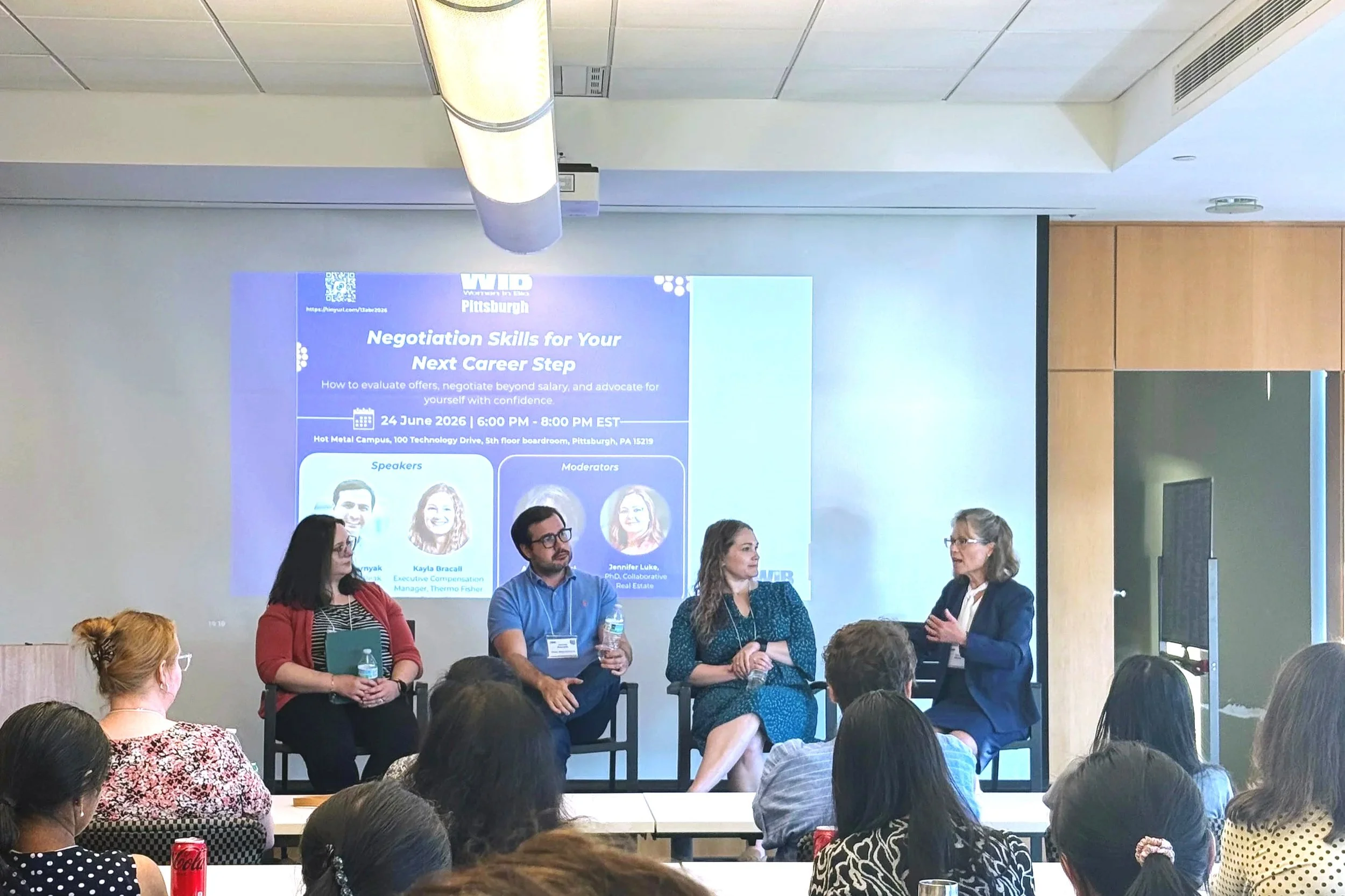
Learning to Ask: Lessons in Negotiation and Career Growth
Negotiations are something many people find uncomfortable, especially when it comes to landing a job early in your career. On June 24th, Collaborative Real Estate, in partnership with the Pittsburgh chapter of Women in Bio, held an interactive panel discussion that brought together professionals sharing perspectives from both sides of the negotiation table. Students looking for their first job, those looking to make a career path change, and professionals wanting to brush up on their skills gathered to learn how candidates can evaluate offers, advocate for themselves, and determine what can be negotiated.
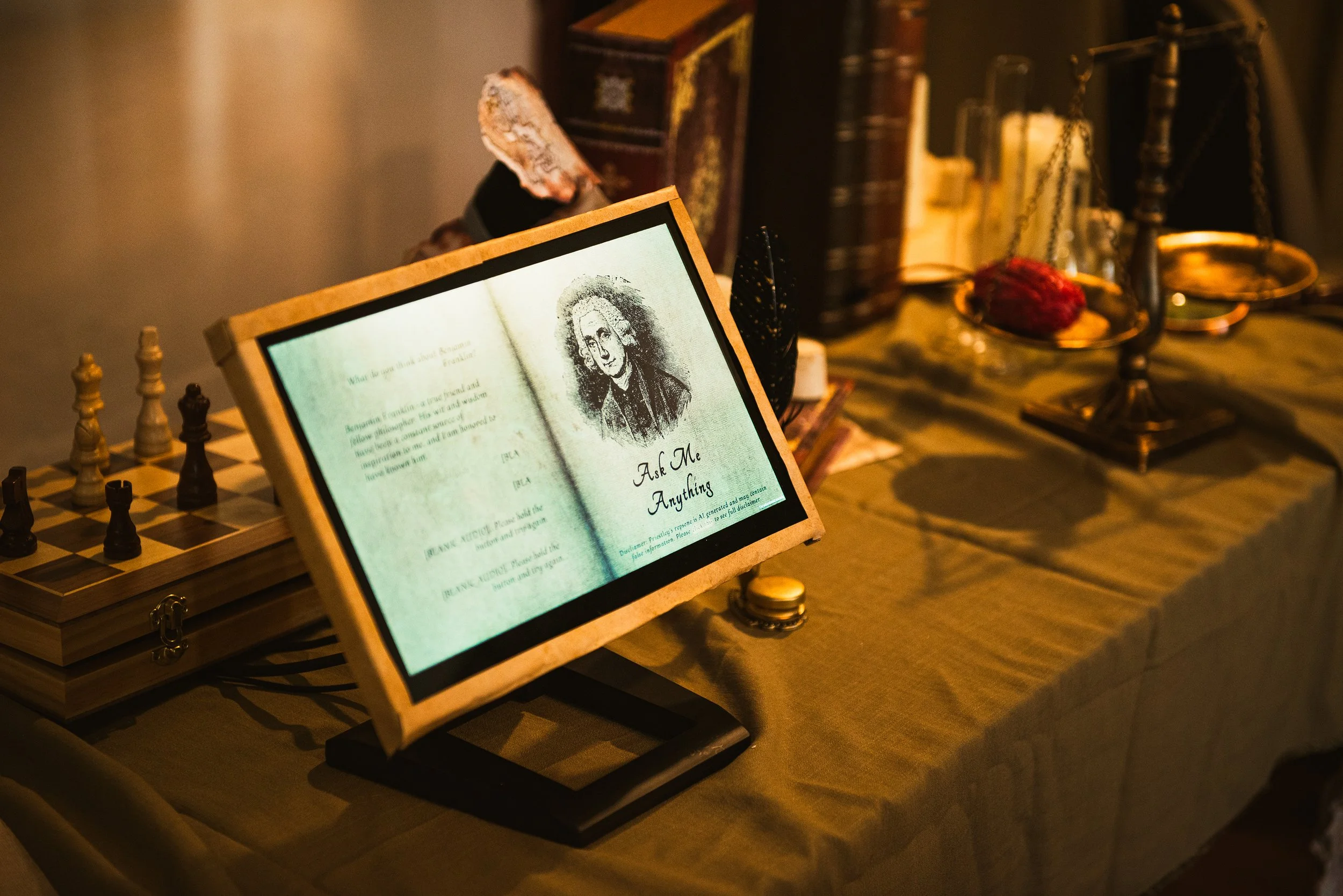
A Modern Ghost Story: AI-Powered Tech Lets Teens Chat with an 18th-Century Chemist
Gather around, all who dare, for a true tale of how a team of graduate students used modern technology to connect people’s hearts to history and the real people who lived it. But first, the team had to…build a ghost. The GhAIst team at the Carnegie Mellon University Entertainment Technology Center (CMU ETC) brought Joseph Priestley’s scientific legacy and unexpected losses to life. They created and installed an AI-powered interactive, immersive, and educational experience for teenage visitors to engage with on-site at the Priestley-Forsyth Memorial Library.
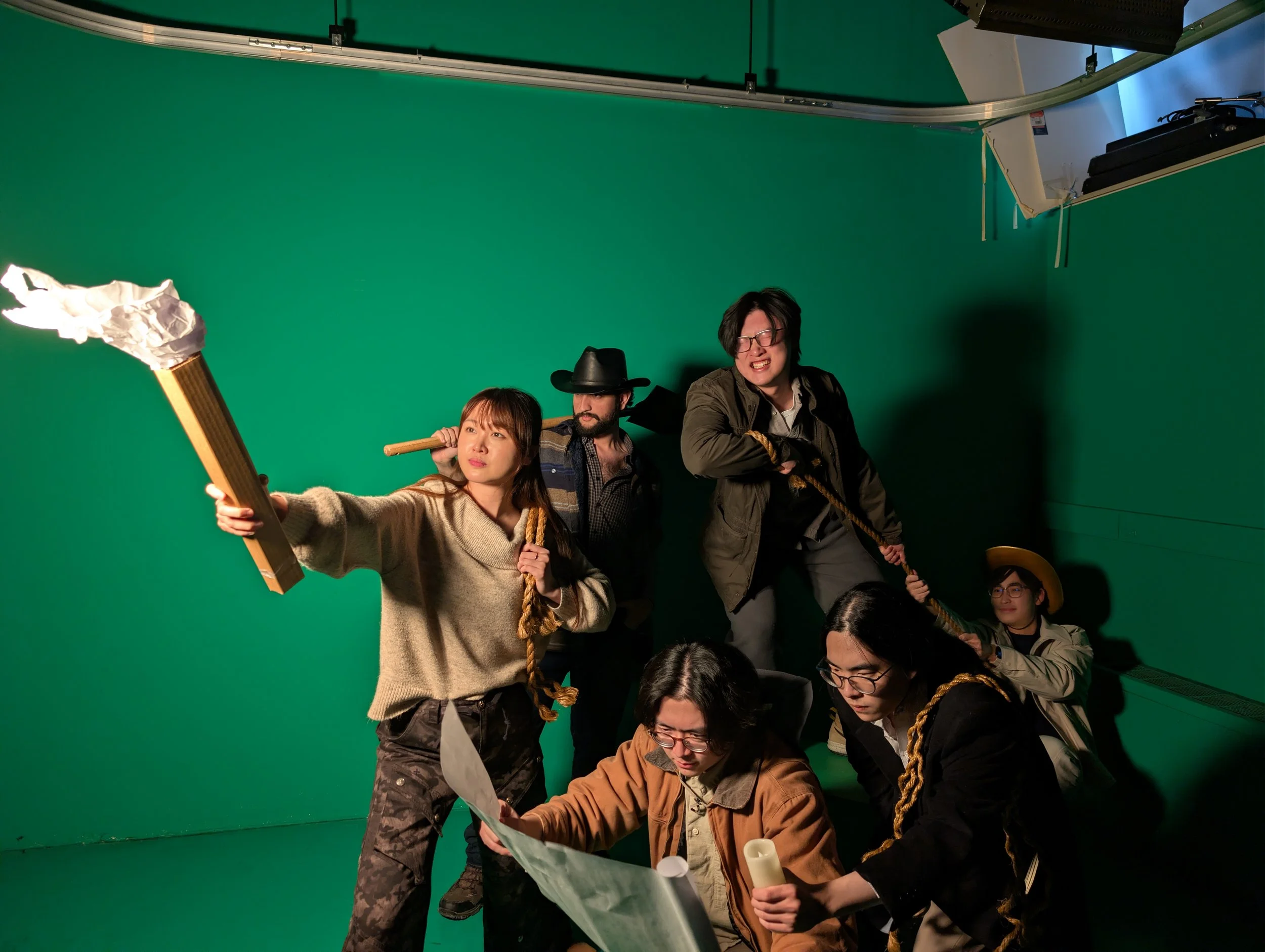
Lighting the Way with Torchbearer
Carnegie Mellon's Entertainment Technology Center has a room called the CAVERN, a 270-degree curved screen that puts virtual objects right in front of you. No headset required. This spring, a student team figured out how to make it work for two people at once.
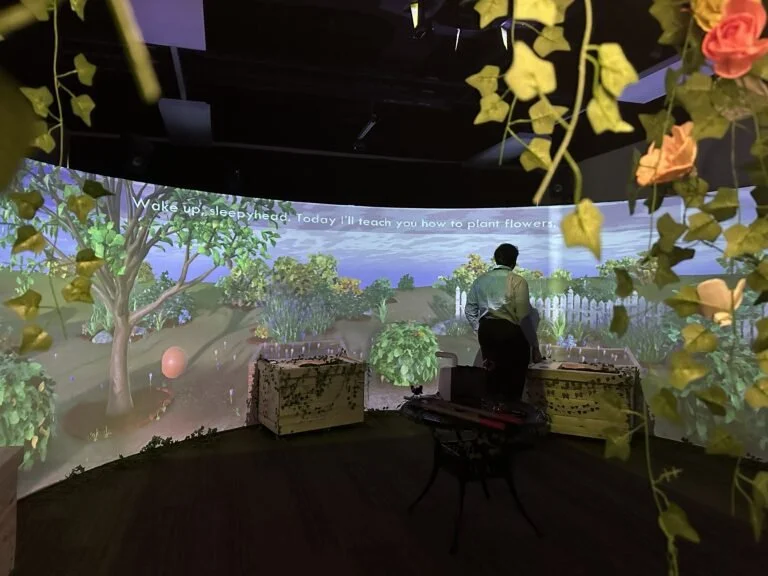
How Remnants Nourishes Empathy for Caregivers of People Living with Dementia
After you walk under a trellis decorated with fragrant and multicolored blooms, a grandmother’s voice welcomes you to tend to the Remnants garden, located in the immersive CAVERN space at Carnegie Mellon University’s Entertainment Technology Center. As you continue to water and prune, the flowers wilt, the colors fade, and the weeds grow. Remnants provides an immersive, emotional, and transformational experience for guests to understand and empathize with what it is like for a caregiver of a person living with dementia.
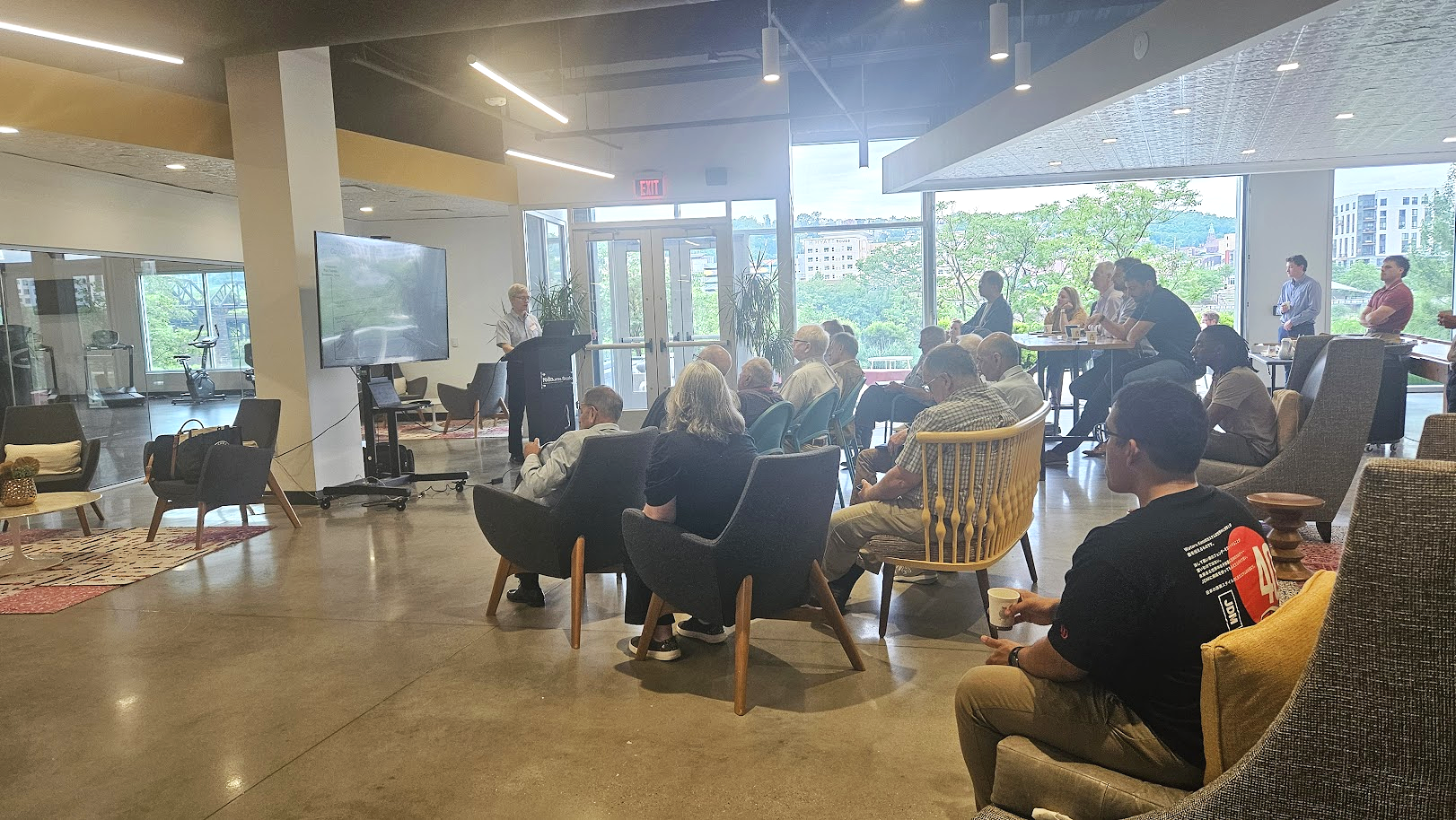
To Disrupt or Not To Disrupt: The Hot Metal Book Club Discusses The Innovator’s Dilemma
Everyone talks about disruptive innovation, but how and why does it happen? On May 19, 2026, Ned Uber, PhD, facilitated a discussion at the Hot Metal Book Club to discuss The Innovator’s Dilemma by Clayton M. Christensen. Grounded in Christensen’s framework that true innovation isn’t about better technology, Uber shared how it's about reframing problems and building business models that allow new solutions to take root.
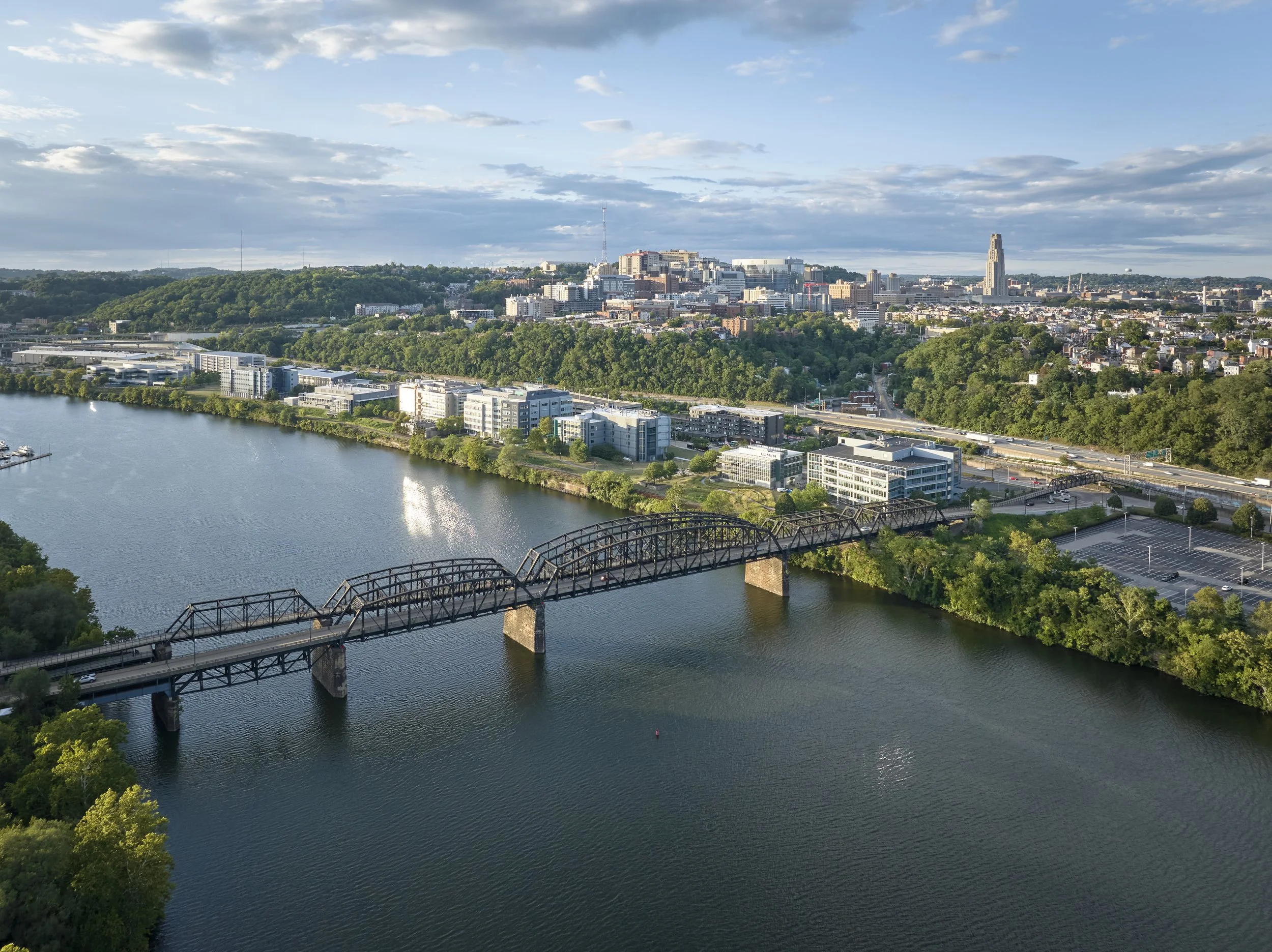
Hot Metal Campus’s 2025 Year in Review: The Book
This past year marked a defining chapter for Hot Metal Campus. Researchers, entrepreneurs, students, creatives, and innovators across campus came together to strengthen a growing ecosystem rooted in collaboration, discovery, and Pittsburgh’s continued momentum in life sciences, technology, media, and entrepreneurship.
The Book captures that momentum. The inaugural year-in-review publication highlights the people, projects, research, events, and ideas that shaped Hot Metal Campus throughout 2025.

Panther Life Sciences Brings SmartMAPs to Hot Metal Campus
We’re pleased to welcome Panther Life Sciences to Hot Metal Campus. Panther is engineering solutions for skin health by “unlocking the tremendous biological powers of our skin.” The move of Panther to Hot Metal Labs to expand their laboratory operations signals the next step for the team to modernize skin care and bring shelf-stable treatments directly to customers, including their goal of bringing their first clinically proven product to market in 2027.
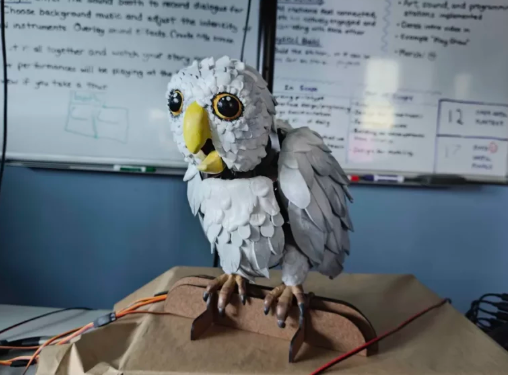
ETC’s Interactive Storytelling Takes Flight in the Classroom
Once upon a time, in a middle-school classroom in Pittsburgh, students were studying art and engineering. Every day, in school, in activities, and at home, they learned new things, including watching movies and playing games, but could these skills be something they would pursue with higher education in the entertainment technology industry? Until one day, Dawn, an animatronic owl that could turn its head, move its beak, and flap its wings, visited the classroom.
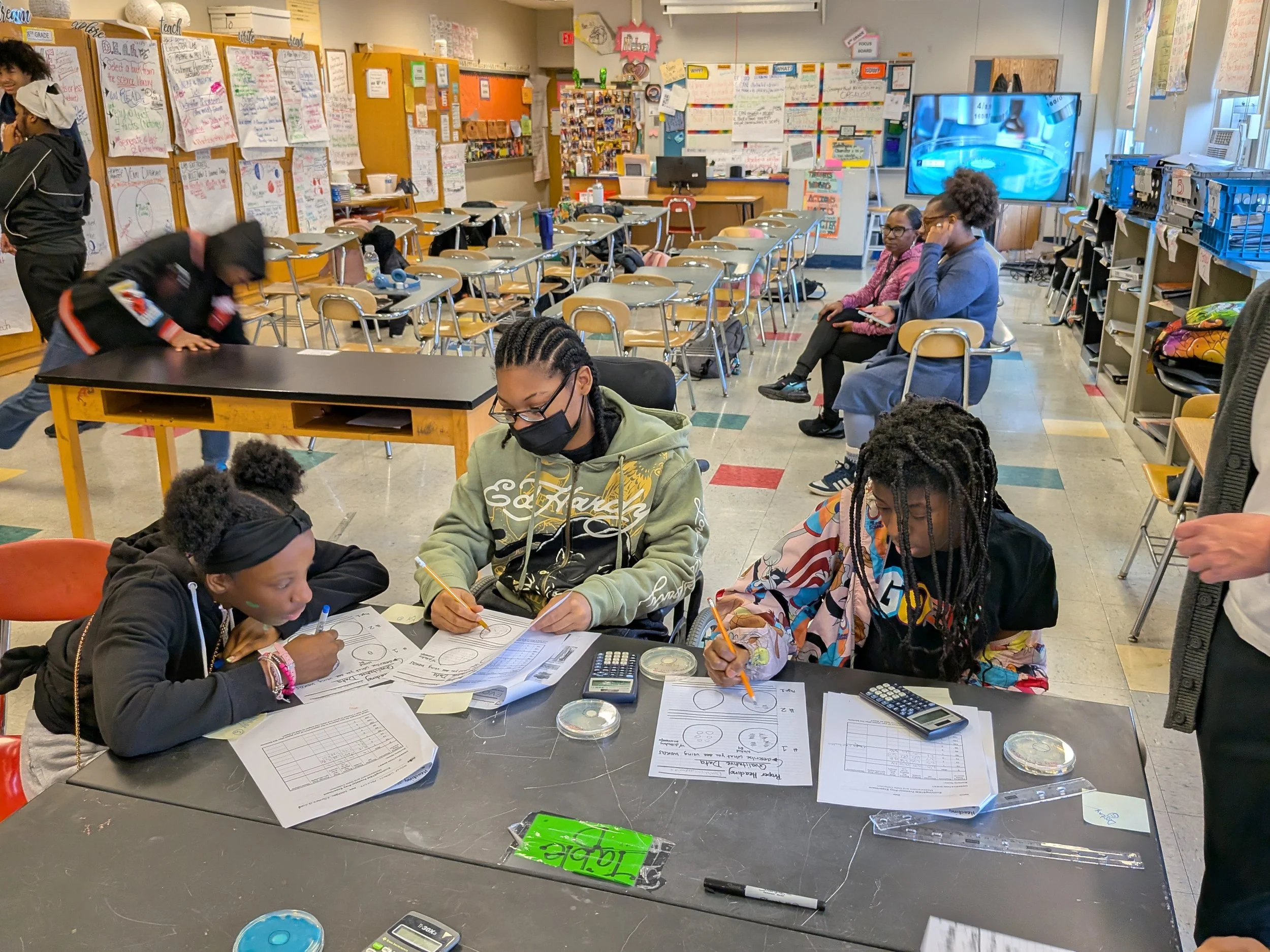
EvolvingSTEM Brings Lab Experiments Straight Into the Classroom
Based out of Bridgeside Point II in Hot Metal Campus, EvolvingSTEM is a science outreach program that brings evolution and microbiology research directly into classrooms across the Pittsburgh region. Run through Professor Vaughn Cooper’s lab in the Department of Microbiology & Molecular Genetics at the University of Pittsburgh, the program equips students from grades 6 through 12 with the tools and framework to conduct real experiments on bacterial evolution.