

Hot Metal Campus Celebrates D’Amore Lab’s NIH Grant
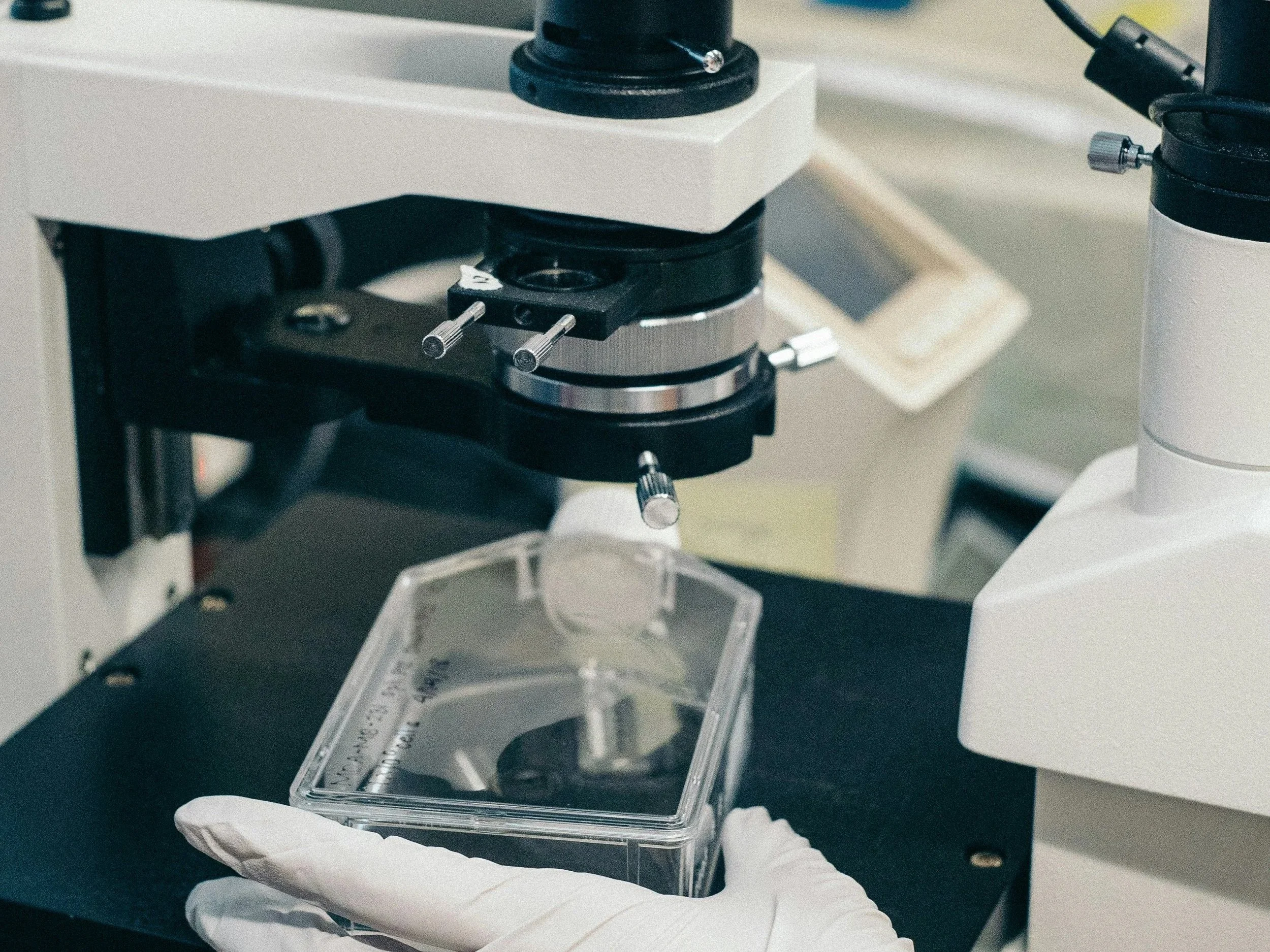
Congratulations to the D’Amore Lab, led by Dr. Antonio D’Amore, which in July 2026 was awarded an NIH National Heart, Lung, and Blood Institute grant totaling nearly $800,000 for the project: Structural Biomimicry to Improve Engineered Heart Valve Leaflet Function and Remodeling. The D’Amore Lab, which is located at Bridgeside Point II on the Hot Metal Campus, will advance bioengineering approaches to treat pediatric heart valve diseases by exploring the use of tissue engineered heart valves (TEHVs), which mimic the structure and function of natural heart valve tissue, to restore heart valve function.
A Classic Summer Event with a Twist: Tailgate Brings the Life Sciences Community Together
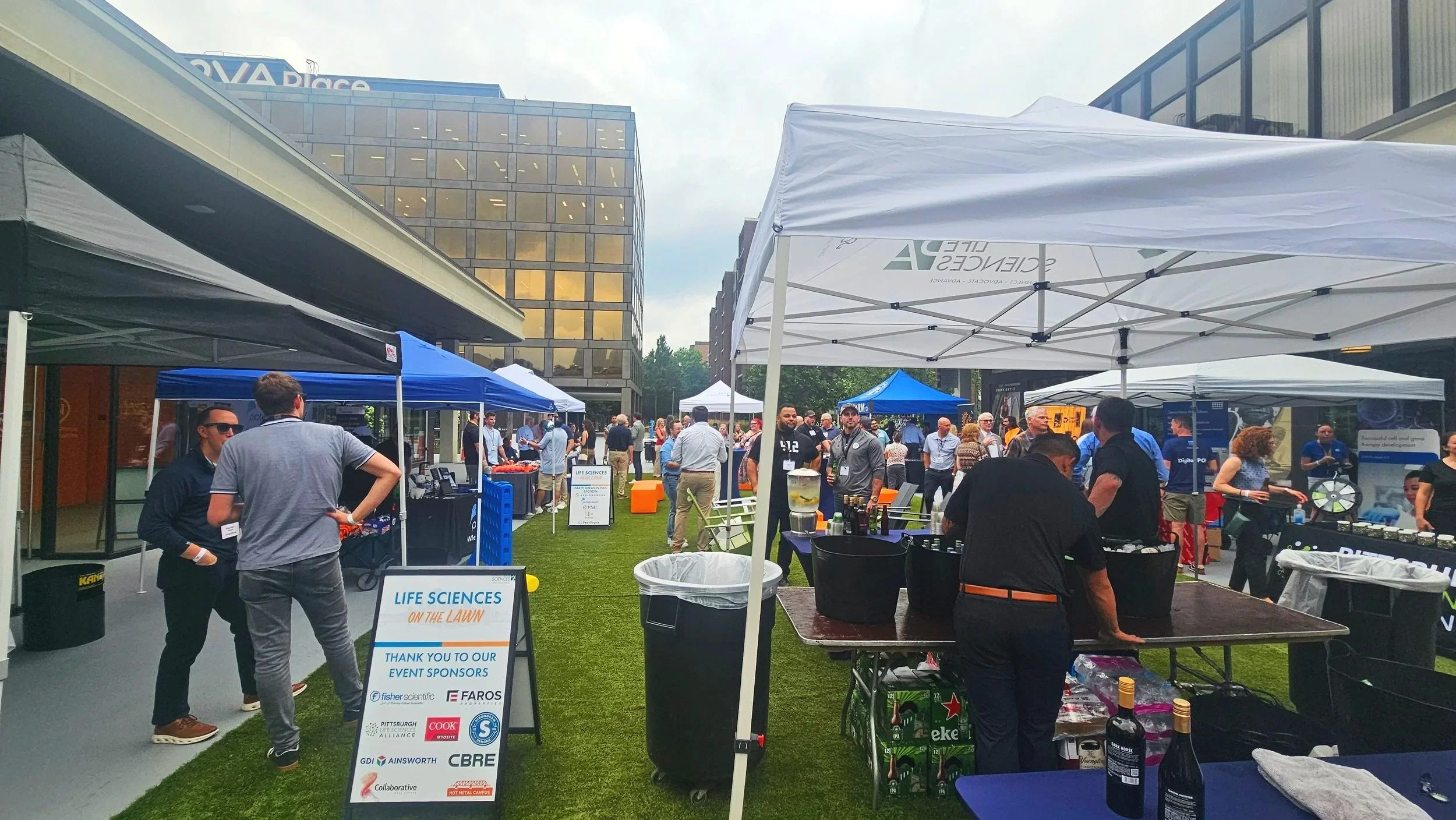
Despite the grey skies over Pittsburgh on Wednesday, August 12, the rain held off for the community to enjoy the music, food, and fun at Life Sciences Pennsylvania’s signature summer event, Life Sciences on the Lawn. This marked the first time Life Sciences Pennsylvania brought the “tailgating’ idea to the southwest of the state. Energized by the fresh air, new connections, and new shared memories, the Life Sciences community is ready for all that comes next in their work.

Panther Life Sciences Brings SmartMAPs to Hot Metal Campus
We’re pleased to welcome Panther Life Sciences to Hot Metal Campus. Panther is engineering solutions for skin health by “unlocking the tremendous biological powers of our skin.” The move of Panther to Hot Metal Labs to expand their laboratory operations signals the next step for the team to modernize skin care and bring shelf-stable treatments directly to customers, including their goal of bringing their first clinically proven product to market in 2027.

The Implant System that Seeks to Restore Vision Loss
Current treatments for geographic atrophy in age-related macular degeneration (AMD) can slow the progression of vision loss but they do not restore vision. To address this issue, a team of researchers is developing the photovoltaic retina implant microarray (PRIMA) system, an implant system that uses infrared light to restore lost sight.

How Genetic and Environmental Factors Impact Risk of Orofacial Clefts in the Philippines
Hot Metal Campus researchers, including Mary L. Marazita, PhD, and Seth Weinberg, PhD, from UPitt’s Center for Craniofacial and Dental Genetics, as well as the Schools of Medicine and Public Health, are investigating the interaction between maternal smoking and vitamin use, and how these factors influence genes to cause orofacial clefts in Filipinos.

Shedding Light on How Cells Send Stress Signals
Researchers, including Hot Metal Campus's Jay Xiaojun Tan from UPitt’s Aging Institute, are revealing how tiny lipid molecules called phosphoinositides (PIPs) act as the cell’s internal “messengers,” precisely directing responses to stress and external signals.

Rewriting the Origins of Ovarian Cancer: The Role of Stromal Support Cells
Ovarian Cancer is often found too late, but the multi-disciplinary team spanning clinical experts at the University of Pittsburgh (UPitt) and their collaborators have recently discovered new early detection and prevention strategies for ovarian cancer.

How Scientists Found a New Way to Help Us Fight Coronaviruses
At the University of Pittsburgh, a team of scientists were on a mission. While the world fought off COVID-19, these researchers asked a powerful question: What if we could help the body fight viruses more effectively, without directly targeting the virus itself?

Speech Perception Decline in Middle Age Linked to Changes in Brain Activity
Research affiliated with UPitt’s Department of Communication Science and Disorders examines how changes in brain activity in the cortex influence how middle-aged people interpret and understand speech.

Mapping Faces and Genes to Better Understand Human Diversity
Hot Metal Campus researchers are helping transform how we study complex human traits by combining facial imaging and genetic data. Seth Weinberg and Mary Marazita—based in Pitt’s Department of Human Genetics and the Center for Craniofacial and Dental Genetics—contributed to a new method called INMTD.


New Stem Cell Model Uncovers Clues About Liver Disease Linked to a Genetic Mutation
In a recent paper published in Hepatology by the American Association for the Study of Liver Disease, researchers have created a new human cell model to study a genetic mutation (TM6SF2-E167K) that can lead to liver disease.

New Publications from Bridgeside Highlight Advances in Genetic and Cognitive Research
Bridgeside Labs is proud to announce the release of two publications showcasing significant advancements in genetic and cognitive research. These studies delve into the genetic architecture of facial shape and the adaptive strategies in language processing among individuals with aphasia.

Noveome Biotherapeutics Advances to Phase 1-2 Trial for NEC Treatment in Premature Infants
Noveome Biotherapeutics Inc., a clinical-stage company based in the Bridgeside research community near the Southside Works, is making significant strides in the treatment of Necrotizing Enterocolitis (NEC).