


BenchBridge Labs Brings Flexible, Move-In-Ready Lab Space to Pittsburgh
The new lab concept from TUFF and Collaborative Real Estate offers lab space by the bench or by the room on flexible terms, opening Oct. 1.
Hot Metal Campus Celebrates D’Amore Lab’s NIH Grant
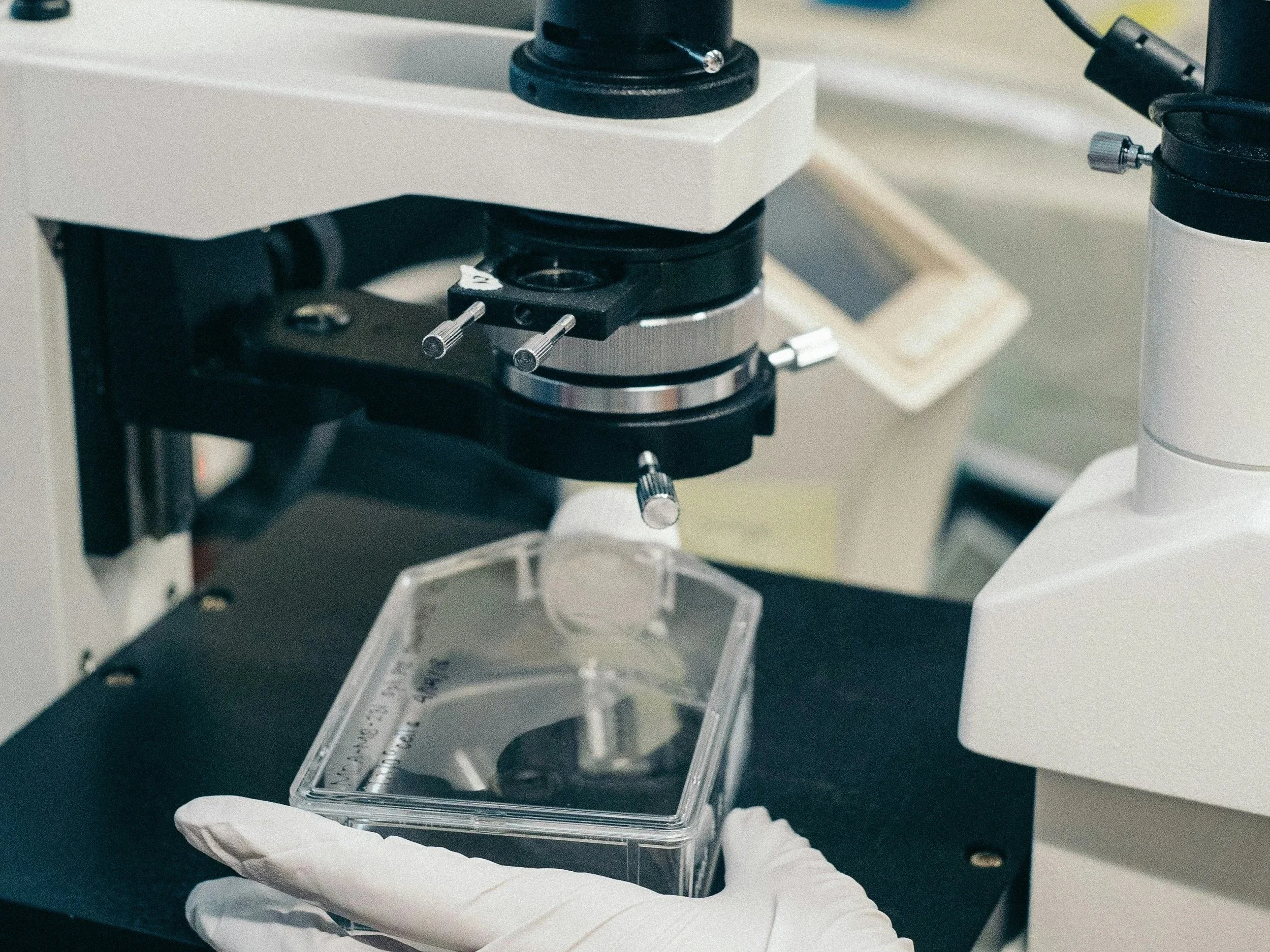
Congratulations to the D’Amore Lab, led by Dr. Antonio D’Amore, which in July 2026 was awarded an NIH National Heart, Lung, and Blood Institute grant totaling nearly $800,000 for the project: Structural Biomimicry to Improve Engineered Heart Valve Leaflet Function and Remodeling. The D’Amore Lab, which is located at Bridgeside Point II on the Hot Metal Campus, will advance bioengineering approaches to treat pediatric heart valve diseases by exploring the use of tissue engineered heart valves (TEHVs), which mimic the structure and function of natural heart valve tissue, to restore heart valve function.

Rehabilitation Researchers Awarded $4.6M Grant for Early Career Development Program
A team of rehabilitation scientists at the University of Pittsburgh and University of Delaware has been awarded a $4.6 million, five-year grant by the Eunice Kennedy Shriver National Institute of Child Health and Human Development National Center for Medical Rehabilitation Research.
Shaping Tomorrow’s Leaders: Pitt OTD Students Step Into Leadership Roles
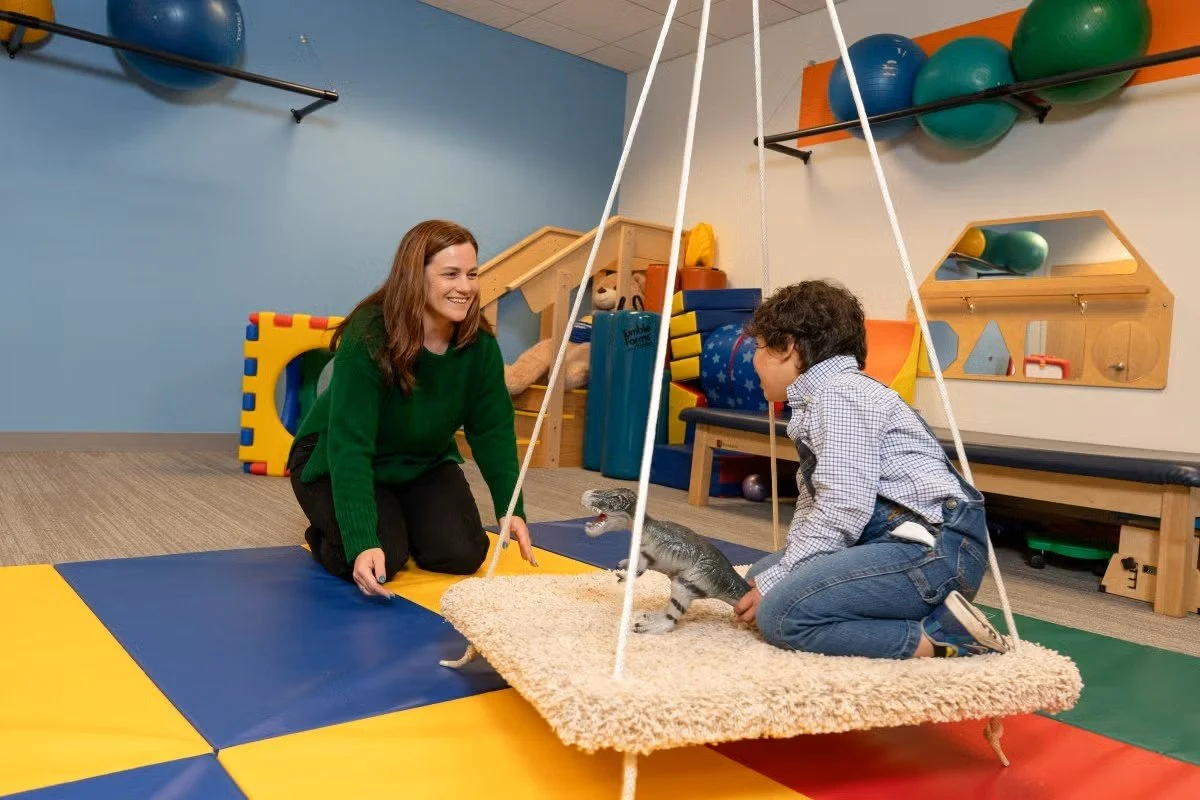
Pitt’s OTD students are seizing extraordinary opportunities and gaining real-world skills that will define the next generation of health care professionals.

Avista Therapeutics Expands Its AI Gene Therapy Platform
Avista Therapeutics has expanded its gene therapy platform to take on some of the field's hardest delivery problems. The company recently announced that it is scaling up its capsid design program with artificial intelligence and adding a new Innovation Platform, work it says targets long-standing barriers in AAV capsid engineering, large gene delivery and manufacturing.

Fully Immersive Virtual Reality for Chronic Pain: New Scoping Article Highlights Promise and Ideas for Future Work
Virtual reality brings to mind immersive environments, interactive games, and training simulation experiences. But rehabilitation researchers are also exploring how virtual reality can help people with chronic pain. To shed light on this new field, which was described as being in a “discovery phase,” a team of researchers from Tufts University, the University of Pittsburgh, and the U.S. Department of Veterans Affairs published a scoping review in Virtual Worlds in January 2026.
EvolvingSTEM Brings Lab Experiments Straight Into the Classroom
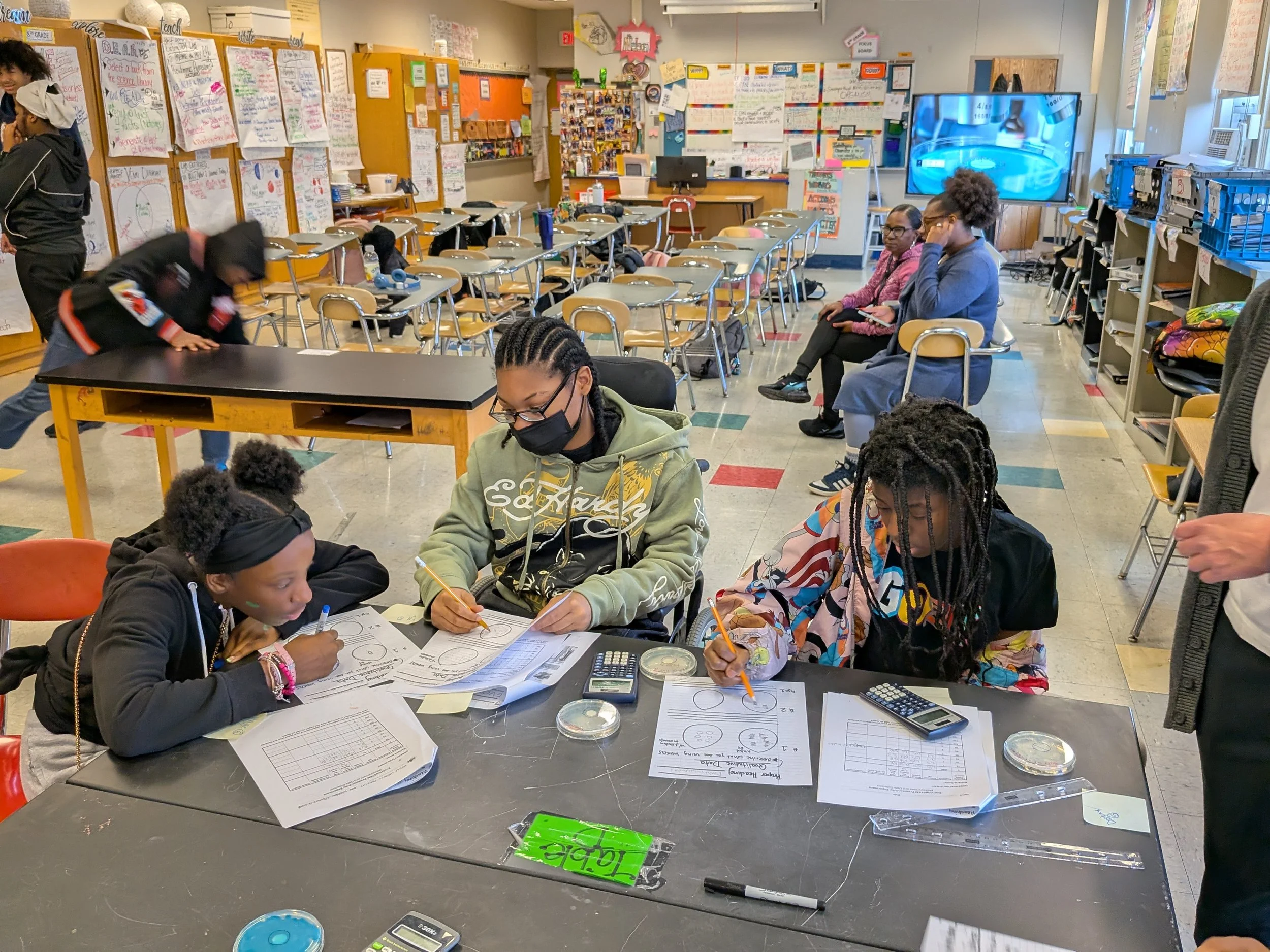
Based out of Bridgeside Point II in Hot Metal Campus, EvolvingSTEM is a science outreach program that brings evolution and microbiology research directly into classrooms across the Pittsburgh region. Run through Professor Vaughn Cooper’s lab in the Department of Microbiology & Molecular Genetics at the University of Pittsburgh, the program equips students from grades 6 through 12 with the tools and framework to conduct real experiments on bacterial evolution.

How ENGAGE’s Community Learning Shapes Stroke Recovery
ENGAGE focuses on the social side of stroke recovery, helping people rebuild confidence and reconnect with their communities. This group intervention, which was co-designed by community members who are stroke survivors, was tested by a multi-university team of researchers led by Dr. Elizabeth Skidmore at the University of Pittsburgh’s Department of Occupational Therapy.
The Implant System that Seeks to Restore Vision Loss
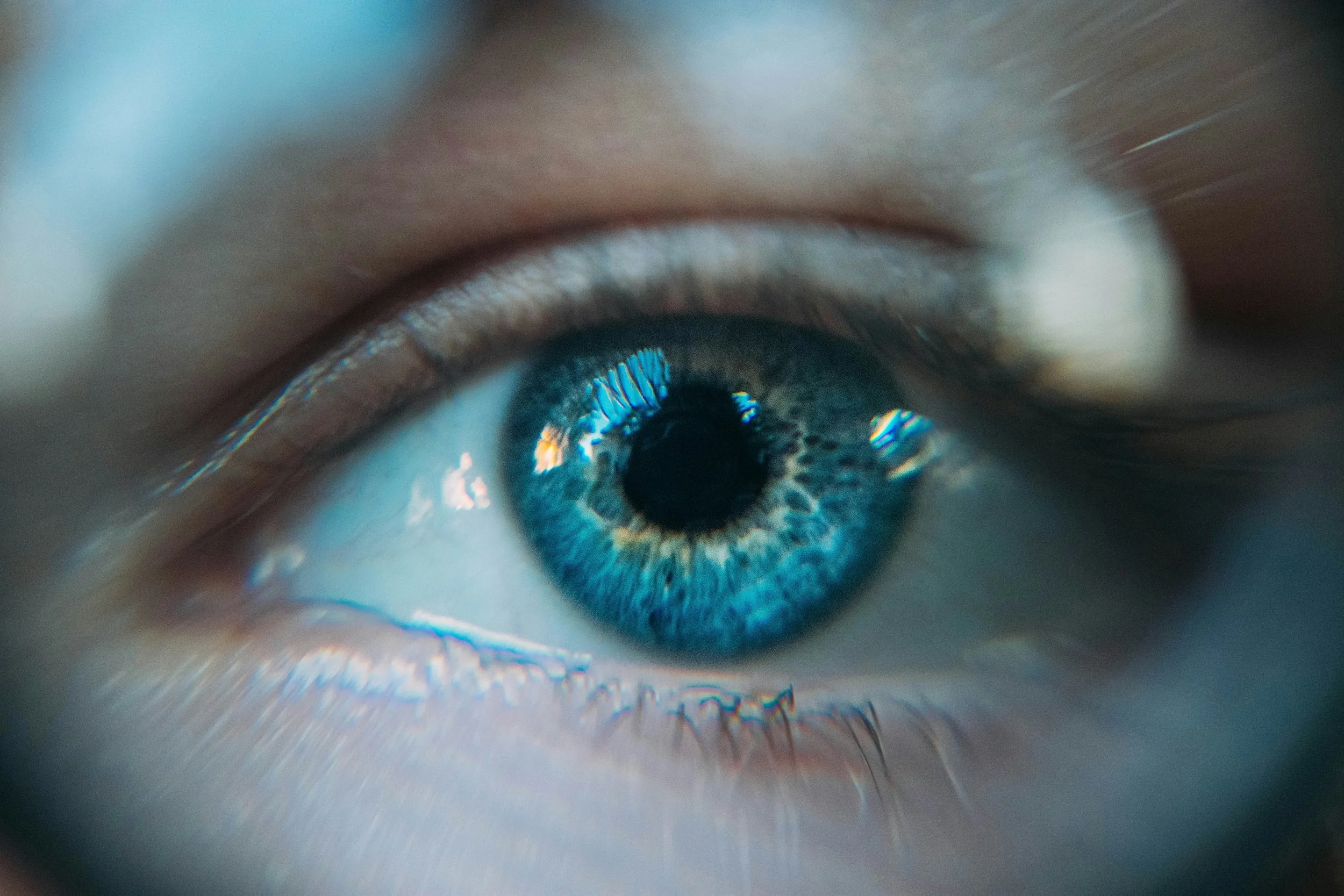
Current treatments for geographic atrophy in age-related macular degeneration (AMD) can slow the progression of vision loss but they do not restore vision. To address this issue, a team of researchers is developing the photovoltaic retina implant microarray (PRIMA) system, an implant system that uses infrared light to restore lost sight.

If You Have a Question, Others Probably Do Too
Do I belong here? What do I wish I knew when I started this job, degree, or program? A team of University of Pittsburgh researchers used the power of reflecting on these ever-present questions to develop a three-session, evidence-based ecological belonging program, Supporting Hardiness and Inclusion for New Endeavors (SHINE), for entry-level occupational therapy doctorate students.

Physical Therapy Needs to be Closer to Home
Your location shouldn’t affect your ability to participate in a physical therapy program. To address the burden of long travel distances to physical therapy for older adults with knee osteoarthritis living in rural areas, University of Pittsburgh researchers conducted a pilot feasibility study of a novel hybrid in-person and telerehabilitation program that was found to be safe and feasible.

How Genetic and Environmental Factors Impact Risk of Orofacial Clefts in the Philippines
Hot Metal Campus researchers, including Mary L. Marazita, PhD, and Seth Weinberg, PhD, from UPitt’s Center for Craniofacial and Dental Genetics, as well as the Schools of Medicine and Public Health, are investigating the interaction between maternal smoking and vitamin use, and how these factors influence genes to cause orofacial clefts in Filipinos.

Shedding Light on How Cells Send Stress Signals
Researchers, including Hot Metal Campus's Jay Xiaojun Tan from UPitt’s Aging Institute, are revealing how tiny lipid molecules called phosphoinositides (PIPs) act as the cell’s internal “messengers,” precisely directing responses to stress and external signals.

We Can Change Our Homes as We Age: Becoming More CAPABLE
As we get older and our needs and goals change, so must our home environment ensure ongoing comfort, safety, and dignity in the places where our most precious memories are held. To help older adults continue to live in their home and safely meet their goals, University of Pittsburgh researchers in the Department of Occupational Therapy recently presented highlights from an ongoing CAPABLE study.
Rewriting the Origins of Ovarian Cancer: The Role of Stromal Support Cells
Ovarian Cancer is often found too late, but the multi-disciplinary team spanning clinical experts at the University of Pittsburgh (UPitt) and their collaborators have recently discovered new early detection and prevention strategies for ovarian cancer.

How Scientists Found a New Way to Help Us Fight Coronaviruses
At the University of Pittsburgh, a team of scientists were on a mission. While the world fought off COVID-19, these researchers asked a powerful question: What if we could help the body fight viruses more effectively, without directly targeting the virus itself?

Making Access to Pediatric Rehabilitation Therapy More Equitable
A recent study from Pitt’s Department of Physical Medicine and Rehabilitation and Department of Occupational Therapy reveals how families of children with disabilities face substantial challenges to accessing therapy appointments, especially those of marginalized groups.

Speech Perception Decline in Middle Age Linked to Changes in Brain Activity
Research affiliated with UPitt’s Department of Communication Science and Disorders examines how changes in brain activity in the cortex influence how middle-aged people interpret and understand speech.

Hot Metal Campus Researchers Highlight Inequities in Post-Surgical Recovery Outcomes
Researchers affiliated with the University of Pittsburgh, including team members from the Departments of Physical Therapy, Occupational Therapy, and the Pittsburgh School of Medicine conducted a major study to better understand how social and demographic factors affect recovery after hip or knee replacement surgery.

Mapping Faces and Genes to Better Understand Human Diversity
Hot Metal Campus researchers are helping transform how we study complex human traits by combining facial imaging and genetic data. Seth Weinberg and Mary Marazita—based in Pitt’s Department of Human Genetics and the Center for Craniofacial and Dental Genetics—contributed to a new method called INMTD.